
Why DFW Is a Top Relocation Destination
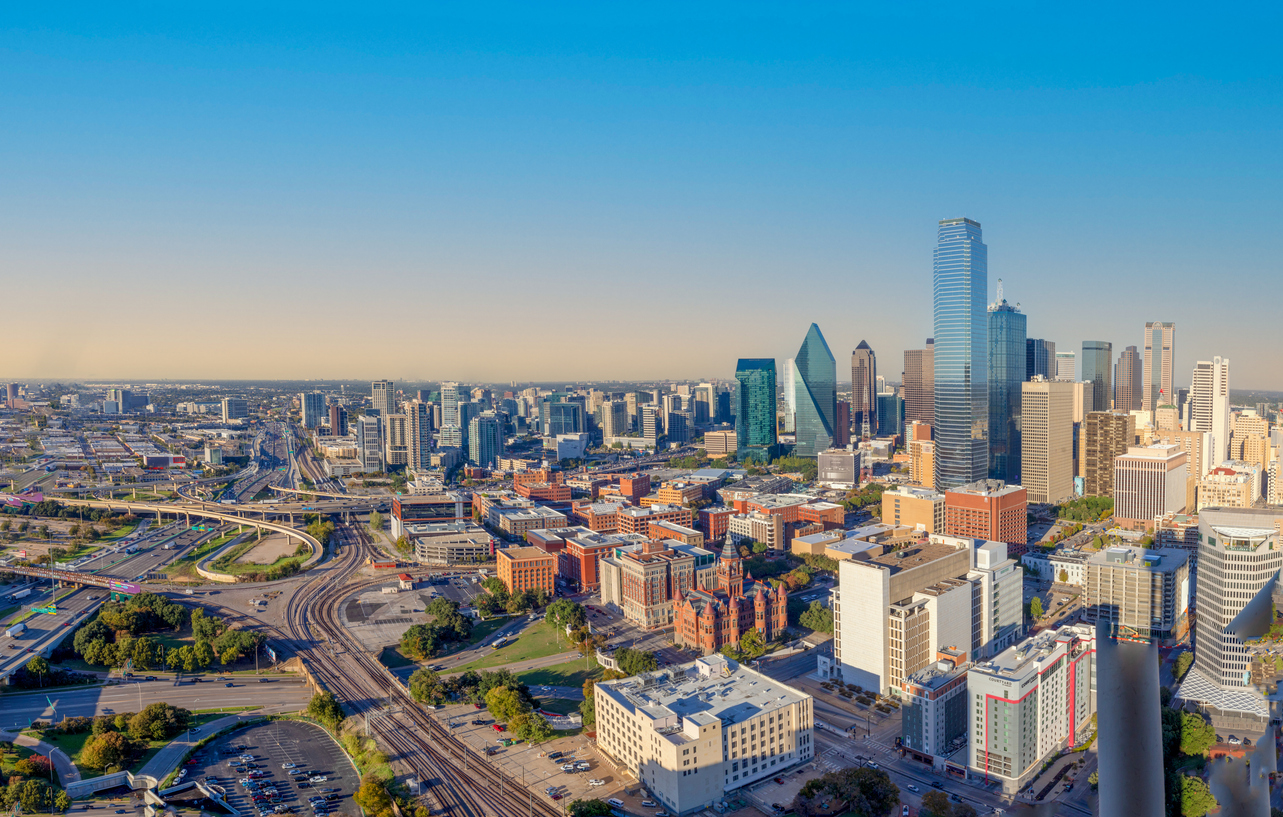
You've likely heard the buzz about Dallas–Fort Worth as a relocation hotspot, but what's behind this magnetic pull to North Texas? The metroplex isn't just growing—it's transforming at a remarkable pace, with economic opportunities, housing stability, and lifestyle amenities that rival any major U.S. metro. Whether you're seeking career advancement, investment potential, or a community-focused lifestyle, DFW offers compelling advantages that extend far beyond its reputation for Southern hospitality and abundant sunshine.
Economic Powerhouse: Job Growth and Career Opportunities
While many metropolitan areas face uncertainty, Dallas–Fort Worth has emerged as a consistent job creator, adding tens of thousands of positions in the past year. This broad-based expansion showcases DFW's resilient, diversified job markets spanning healthcare, technology, education, logistics, and trade sectors. You'll find exceptional opportunities in healthcare and education, which continue to add roles, and in the expanding tech scene, where DFW now hosts one of America’s largest tech workforces with competitive salaries often crossing six figures for in-demand skills. Fort Worth’s growing tech footprint reflects the region’s strength in aerospace, defense, and advanced services. These employment trends reflect effective talent retention and in-migration, offering career stability whether you're interested in recession-resilient healthcare roles or high-paying positions in cybersecurity and AI. Average weekly earnings in DFW remain above the national average, underscoring the region’s wage competitiveness.Rising Wages and Financial Advancement
Beyond robust job growth, DFW offers financial advantages that make relocating here particularly attractive. Many workers earn more than national averages, a wage premium tied to economic strength and a competitive talent market. Typical weekly pay in Dallas–Fort Worth often exceeds U.S. benchmarks, supporting real income growth. Financial services, professional sectors, and healthcare offer strong compensation packages, and the region counts millions of employed residents—a testament to its labor-market depth. Companies actively invest in retention through benefits and performance pay. Public-sector roles also include locality and step increases that help address cost-of-living needs while maintaining pay transparency. This financial edge makes DFW appealing for career advancement and long-term prosperity.
Population Boom: Why People Are Flocking to North Texas
The Dallas–Fort Worth metroplex consistently ranks among America’s fastest-growing regions, now home to over eight million residents and cementing its position as the nation’s fourth-largest metropolitan area. In a single year, the region welcomed well over 100,000 new residents, with suburban cities like Frisco and McKinney experiencing remarkable expansion. Migration—more than natural increase—drives this boom, with newcomers arriving from higher-cost metros. Planning has adapted accordingly, delivering tens of thousands of new housing units while maintaining relative affordability compared to many coastal cities. DFW’s leading population gains over the past decade continue to shape the region’s development. You’ll find Fort Worth around the one-million resident mark, while Dallas remains a top-10 U.S. city by population. This surge fuels economic growth, creating a self-reinforcing cycle of opportunity and expansion.
Housing Market Stability and Investment Potential
View this post on Instagram
Dallas–Fort Worth’s housing market in 2025 shows improved buyer leverage versus the recent peak years, with inventory levels higher than earlier in the decade and more options for both homebuyers and investors. Increased listings have shifted some negotiating power to buyers, and a larger share of homes now close at or below list in many sub-markets. Months of inventory have also ticked up from ultra-tight conditions. Affordability has stabilized with:
- Median prices largely holding or modestly adjusting by sub-market
- Mortgage rates easing from prior highs but still requiring savvy budgeting
- Targeted price corrections creating selective entry points for investors
- Upper-tier segments showing resilience while mid-market homes respond to supply
You’ll find solid investment opportunities in high-demand suburbs with strong schools and job access. Despite cooling from pandemic-era extremes, DFW’s economic fundamentals and corporate activity support long-run market strength for strategic buyers.
Suburban Transformation and Development
Evolving rapidly from bedroom communities to vibrant town centers, DFW’s suburban landscape has transformed. Collin and Denton counties have logged significant population growth since 2010, together surpassing one million residents years ago. Suburbs like Flower Mound, Argyle, and Celina lead this expansion, with Celina’s population rising rapidly alongside high median household incomes. Infrastructure and private investment follow suit, with master-planned communities integrating amenities, trails, and town-center retail. Even with a construction slowdown from peak levels, DFW remains among the top U.S. metros for multifamily development, with tens of thousands of units under construction. These northern suburbs exemplify lifestyle-focused planning that blends retail, dining, and residential into walkable districts.
Transportation Upgrades Enhancing Regional Connectivity
As the suburbs flourish, transportation improvements support DFW’s growth. At DFW International Airport, ongoing terminal modernizations and planning for additional capacity sit alongside roadway updates that ease access and improve curbside operations. The region continues to enhance Skylink connectivity, parking technology, and ground-transport flows to strengthen its global-hub status. Across the metro, coordinated investments in highways, managed lanes, transit, and multimodal connections are improving commute reliability and airport access, while cargo and logistics upgrades bolster North Texas’s role in global trade.
Lifestyle Benefits for Families and Professionals
Families and professionals relocating to the DFW metroplex discover a compelling blend of safety, affordability, and quality of life. Suburban school districts regularly earn A-level marks, and median home prices in many communities remain comparatively attainable relative to other major markets. You’ll find family-friendly amenities across the area—parks, libraries, sports facilities, and community centers—plus top private and public schools in cities like Coppell and University Park. Regional surveys point to high resident satisfaction, and local initiatives keep expanding educational and neighborhood-engagement opportunities. The result is an environment where career growth and family life can both thrive.
Entertainment and Cultural Attractions on the Horizon
The metroplex complements its family-friendly environment with a thriving cultural scene that keeps expanding. When you relocate to DFW, you’ll discover broad entertainment options spanning museums, festivals, and outdoor venues. From Fort Worth’s world-class museums to Dallas’s Perot Museum of Nature and Science, you’ll access institutions with free or affordable programs. Food-hall concepts like The Exchange pair dining with events, while galleries across the region showcase local and international talent. Festivals such as Main Street Arts Festival and Dallas International Film Festival spotlight creators from around the globe. The Fort Worth Stockyards and the Sixth Floor Museum preserve and interpret regional history—anchoring the area’s sense of place.
DFW's Competitive Edge Among Sun Belt Metros
While Sun Belt metros share warm climates and growth, Dallas–Fort Worth stands out for scale and diversity. DFW ranks among the nation’s top five metro economies by output, with a broad base spanning finance, tech, aerospace, telecom, healthcare, and advanced manufacturing. The region’s central location, business climate, and talent pipeline continue to attract major investments from global firms, strengthening supply chains and high-value production. Employment growth routinely outpaces national averages, keeping unemployment comparatively low and opportunities plentiful. You’ll also find a more affordable lifestyle than many coastal hubs, with rents and home prices that—while higher than a decade ago—remain competitive for a metro of DFW’s size and economic reach.