The Cultural Roots That Make Houston Unique for Travelers
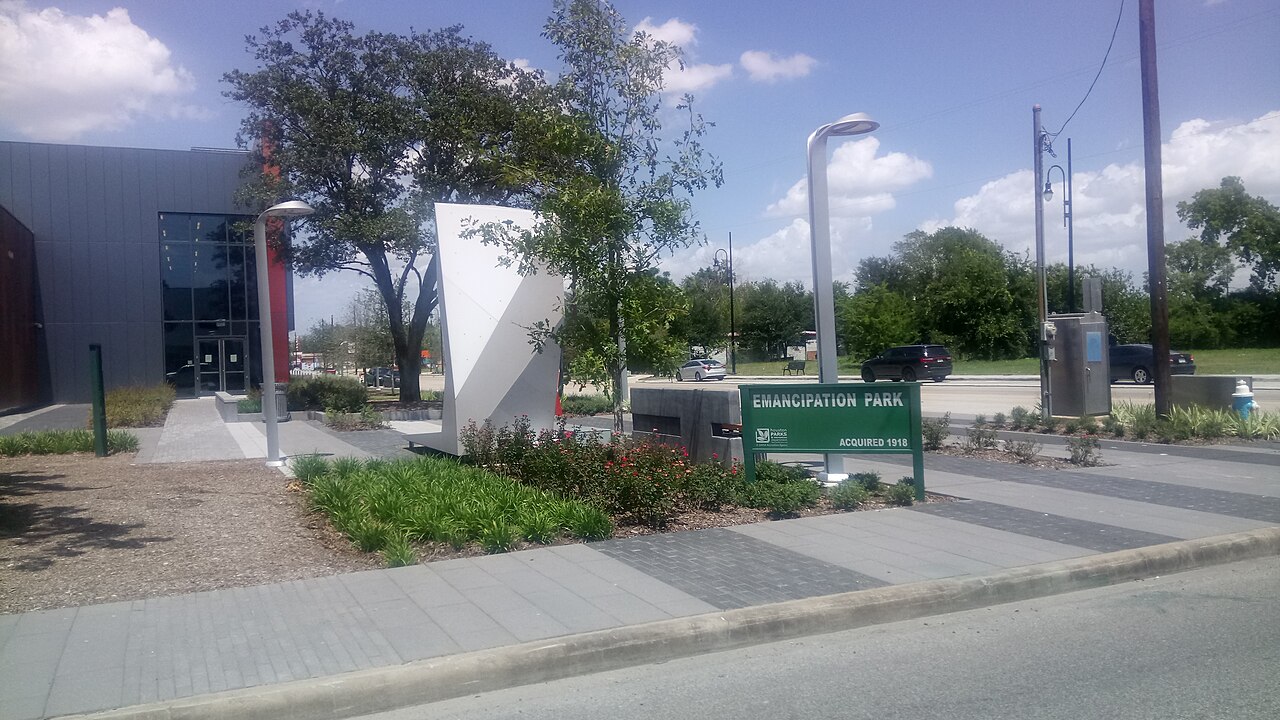
WhisperToMe, Emancipationparkhtown, CC BY 3.0
Houston stands out as one of the most diverse and culturally rich cities in the United States, shaped by decades of immigration and community development. With residents from around the world, the city offers authentic cultural experiences through its neighborhoods, food, festivals, and historic landmarks.
Rather than being concentrated in a single district, Houston’s diversity is spread across the city, allowing visitors to experience multiple cultures in one trip—from Tex-Mex traditions to Vietnamese cuisine and African American heritage sites.
Houston's Hispanic Neighborhoods: Food, Festivals, and Culture
Houston’s Hispanic communities play a central role in the city’s cultural identity, particularly in areas like the East End (Second Ward), Gulfton, and parts of Southwest Houston.
These neighborhoods are known for family-owned taquerías, bakeries, and markets, where traditional recipes and techniques are passed down through generations. Visitors can find authentic dishes like tacos, tamales, and pan dulce while exploring local shops and street vendors.
Throughout the year, cultural events such as Cinco de Mayo celebrations and neighborhood festivals bring music, dance, and food together, offering a vibrant look into Houston’s Latino heritage.
Where to Eat: Cultural Food Stops by Neighborhood
Houston’s neighborhoods are best experienced through their local food scenes, where longtime restaurants reflect cultural traditions.
- Chinatown (Bellaire Boulevard): Try authentic Vietnamese pho and banh mi at Pho Binh or explore dim sum and Chinese specialties at Ocean Palace
- Little Saigon (Midtown area): Visit Les Givral’s for Vietnamese sandwiches and casual street-style dishes
- Third Ward: Stop by The Breakfast Klub, known for its classic Southern comfort food, or explore nearby cafes that reflect the area’s community roots
- East End: Enjoy Tex-Mex staples at The Original Ninfa’s on Navigation, a landmark restaurant credited with popularizing fajitas
These spots provide a flavorful introduction to Houston’s cultural diversity through food.
Historic Black Houston: Neighborhoods and Landmarks to Visit
Houston’s African American history is deeply rooted in neighborhoods like Third Ward and Freedmen’s Town (Fourth Ward), where formerly enslaved people established thriving communities after the Civil War.
Freedmen’s Town still features original brick streets and historic structures, reflecting its origins in the 1860s.
Key landmarks include:
- Emancipation Park (est. 1872), created for Juneteenth celebrations
- Antioch Missionary Baptist Church (founded in 1866)
- Project Row Houses, a nationally recognized community art and cultural space
- Buffalo Soldiers National Museum, preserving African American military history
- The African American Library at the Gregory School, focused on local history and archives
These sites offer meaningful insight into Houston’s role in African American history and culture.
Chinatown, Little Saigon, and Houston's Asian Cultural Districts
Houston’s Asian communities are centered in areas like Chinatown along Bellaire Boulevard and the Midtown/Milam Street area often associated with Little Saigon.
Following the Vietnam War, many Vietnamese immigrants settled in Houston, contributing to one of the largest Vietnamese populations in the United States.
Today, these neighborhoods feature restaurants, markets, and businesses that reflect a wide range of Asian cultures. The fusion of Vietnamese and Gulf Coast flavors—often called Viet-Cajun cuisine—is a unique part of Houston’s food scene.
These districts continue to grow and evolve, offering visitors authentic cultural and culinary experiences.
Where to Experience Houston’s Linguistic Diversity
Houston is widely recognized for its linguistic diversity, with well over 100 languages spoken across the city.
Spanish is the most commonly spoken language after English, followed by Vietnamese, Chinese languages, and others. This diversity is reflected in everyday life—from restaurants and markets to community events and places of worship.
Visitors can experience this cultural mix in neighborhoods, shopping centers, and public spaces throughout the city, making Houston feel like a global destination within a single metro area.
How Houston’s Diversity Stands Out for Travelers
Houston’s diversity is notable not just for its size, but for how it is integrated throughout the city.
No single racial or ethnic group makes up a majority of the population, creating a balanced and inclusive environment. This allows travelers to experience multiple cultures, cuisines, and traditions without needing to travel far between destinations.
The city’s openness and accessibility make it one of the most dynamic cultural destinations in the United States.
One-Day Cultural Tour: Experiencing Houston’s Global Influence
Houston’s layout allows visitors to explore a variety of cultural experiences in a single day.
Start in the Museum District, where institutions like the Museum of Fine Arts, Houston and the Houston Museum of Natural Science showcase global art and history.
Head to the East End for Latin American cuisine and cultural sites, then explore Chinatown or Little Saigon for Asian dining and markets.
End the day in Third Ward or Freedmen’s Town, where historic landmarks and community spaces highlight African American heritage.
This itinerary offers a snapshot of Houston’s global cultural landscape.
Best Times to Visit for Cultural Festivals and Events
Houston’s cultural calendar is active year-round, with festivals reflecting the city’s diversity.
Spring features events like the Houston Japan Festival and Cinco de Mayo celebrations.
Summer highlights include Juneteenth events, particularly at Emancipation Park, as well as Caribbean and cultural festivals.
In the fall, events such as the Houston Greek Festival and international cultural celebrations bring communities together.
Winter and early spring also include Lunar New Year celebrations and other cultural festivals across the city.
Planning your visit around these events can provide a deeper connection to Houston’s cultural traditions and community life.
Getting Around Houston’s Cultural Districts
Houston’s size makes planning transportation important when visiting multiple neighborhoods in one day.
Driving is often the most convenient option, especially when traveling between areas like the Museum District, Chinatown, and the East End.
For those without a car, METRORail’s Red Line connects Downtown, the Museum District, and the Texas Medical Center, while buses extend access to surrounding neighborhoods.
Rideshare services like Uber and Lyft are widely available and can help bridge gaps between districts. Planning your route in advance helps reduce travel time and makes it easier to explore multiple cultural areas.
Local Etiquette and Cultural Tips for Visiting Houston
Houston’s diversity means visitors will encounter a wide range of cultures and traditions. A few simple guidelines can enhance your experience:
- Be respectful of cultural spaces and historic neighborhoods, especially sites with deep historical significance
- Support local businesses and family-owned restaurants, which are central to many communities
- Be open to trying new foods and experiences while respecting cultural differences
- Dress comfortably but appropriately when visiting places of worship or cultural institutions
Approaching Houston with curiosity and respect allows you to fully appreciate its rich cultural landscape.