Texas Natural Wonders: Must-See Landscapes and Hidden Gems Across the State
Texas offers remarkable natural diversity across its vast landscape. You’ll find Palo Duro Canyon’s dramatic red rock layers, Big Bend’s Santa Elena Canyon with towering limestone walls, and the Guadalupe Mountains rising to the highest point in Texas.
The Big Thicket National Preserve showcases rich biodiversity in East Texas wetlands, while Padre Island National Seashore offers miles of undeveloped coastline and important wildlife habitat. Exploring these destinations reveals geological formations millions of years in the making and ecosystems you won’t encounter elsewhere.
Texas Landscapes: Canyon Country to Coastal Plains
Texas spans more than 268,000 square miles, making it the second-largest state in the U.S., with landscapes ranging from coastal plains to rugged mountains.
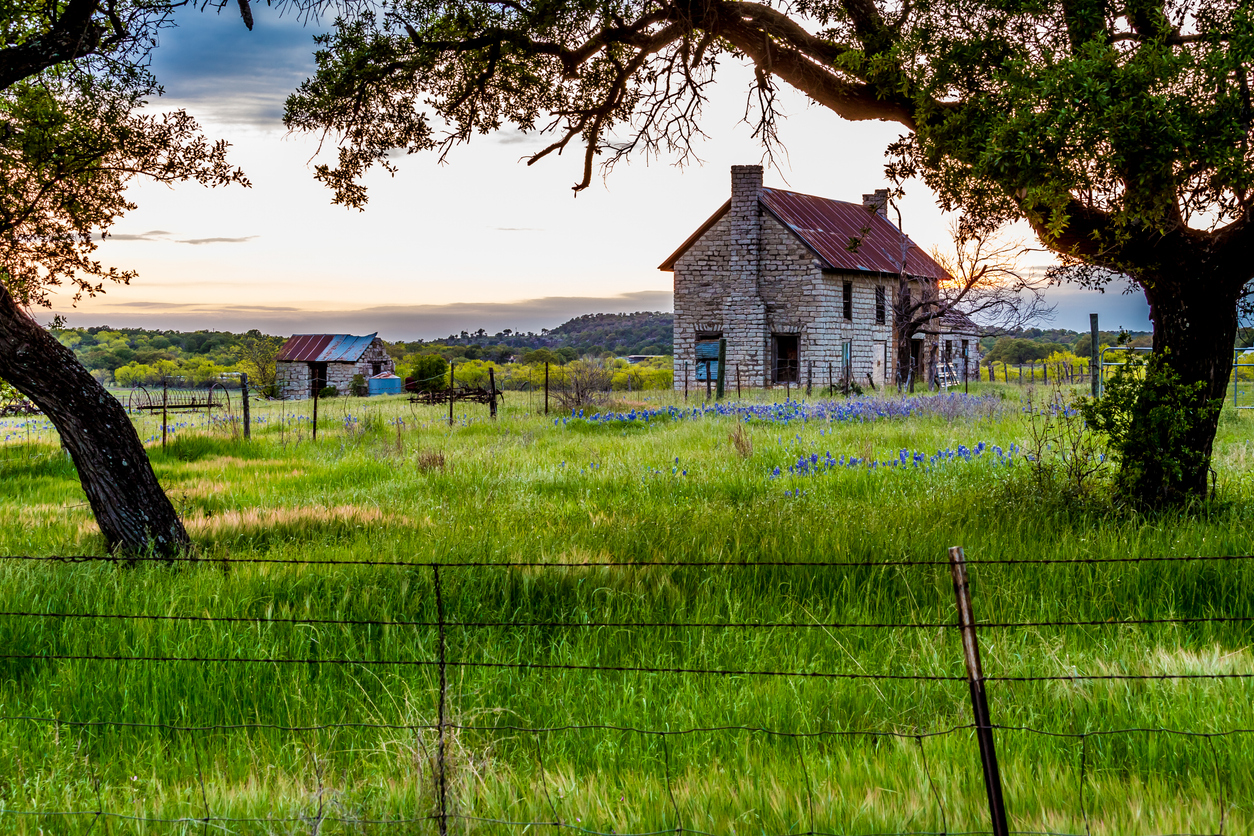
The Gulf Coastal Plain stretches inland from the coast through cities like Houston and Corpus Christi, gradually rising toward the Balcones Escarpment, where elevations increase into Central Texas. East Texas supports dense pine forests and hardwoods, while North and Central Texas transition into prairies and rolling hills.
Farther west, the environment becomes increasingly arid, giving way to desert basins and mountain ranges. This geographic diversity creates a wide range of climates and ecosystems, from humid wetlands to dry desert terrain.
Palo Duro Canyon: Hiking America’s Second-Largest Canyon
Carved by the Prairie Dog Town Fork of the Red River, Palo Duro Canyon stretches approximately 120 miles long, up to 20 miles wide, and reaches depths of around 800–1,000 feet. It is widely considered the second-largest canyon in the United States, after the Grand Canyon.
Located in the Texas Panhandle, the canyon features colorful rock layers formed over millions of years. Visitors can explore more than 30 miles of trails, including the popular Lighthouse Trail, which leads to one of the park’s most recognizable rock formations.
Palo Duro Canyon State Park offers campsites, cabins, and equestrian facilities, making it one of the most accessible and scenic outdoor destinations in Texas.
Big Bend’s Santa Elena Canyon: Towering Cliffs Along the Rio Grande
In Big Bend National Park, Santa Elena Canyon offers one of Texas’s most iconic landscapes. The Rio Grande cuts through limestone rock to form steep canyon walls rising up to 1,500 feet.
Unlike longer multi-day river trips elsewhere in the park, many visitors experience Santa Elena Canyon through short hikes or day paddling trips rather than extended expeditions. Water levels vary throughout the year, and conditions can range from calm stretches to faster-moving currents depending on rainfall.
The canyon marks part of the natural border between the United States and Mexico, and the surrounding desert environment supports unique wildlife, including birds of prey and desert-adapted plants.
Guadalupe Mountains: Texas’s Highest Peaks and Desert Landscapes
The Guadalupe Mountains in West Texas rise dramatically from the desert floor, culminating at Guadalupe Peak (8,751 feet)—the highest point in Texas.
Hiking trails range from moderate routes to challenging climbs, including the Guadalupe Peak Trail, which gains over 3,000 feet in elevation. The mountains are part of an ancient fossilized reef system known as the Capitan Reef, formed over 250 million years ago.
Nearby McKittrick Canyon offers a surprising contrast, with seasonal foliage and shaded trails supported by a rare water source in this otherwise dry region.
Big Thicket National Preserve: Wetlands and Biodiversity in East Texas
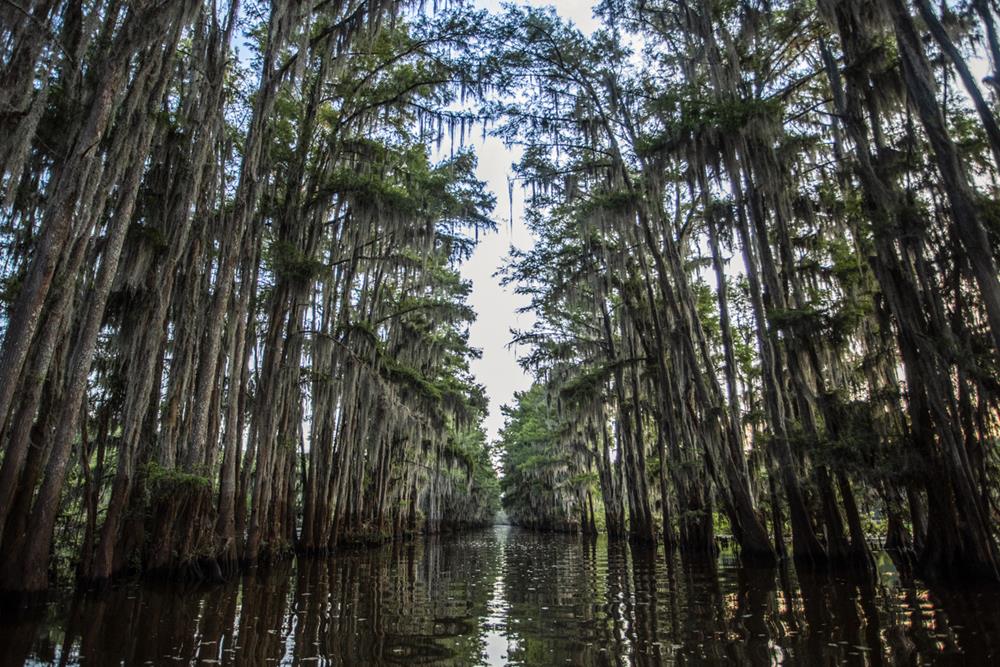
Located in Southeast Texas, the Big Thicket National Preserve protects more than 113,000 acres of forests, wetlands, and waterways. It is known for its exceptional biodiversity, where multiple ecosystems overlap.
The preserve supports over 1,000 plant species and hundreds of bird species, along with mammals, reptiles, and amphibians. Visitors can explore hiking trails, paddle through bayous, or observe wildlife in one of the most ecologically diverse areas in North America.
Designated as a UNESCO Biosphere Reserve, the Big Thicket highlights the contrast between Texas’s humid eastern regions and its arid western landscapes.
Gorman Falls: A Living Waterfall in the Hill Country
Located in Colorado Bend State Park, Gorman Falls is a rare “living” waterfall formed by travertine deposits. Instead of eroding rock, mineral-rich water builds new layers over time, gradually changing the shape of the falls.
The waterfall drops approximately 70 feet and is reached by a moderate 1.5-mile hike with steep sections near the end. Due to its fragile surface, visitors must stay behind designated barriers to protect the formation.
The shaded environment around the falls creates a cooler microclimate, supporting mosses and ferns uncommon in other parts of Central Texas.
Hamilton Pool: A Unique Limestone Grotto
Hamilton Pool Preserve, located about 23 miles west of Austin, formed when the dome of an underground river collapsed, creating a natural pool surrounded by limestone cliffs.
A small waterfall flows into the pool, which is often closed to swimming after heavy rains due to water quality concerns. Reservations are required to visit, and access is carefully managed to protect the environment.
The surrounding preserve provides habitat for endangered species like the golden-cheeked warbler, making it both a scenic and ecologically important site.
Padre Island: Remote Beaches and Coastal Wildlife
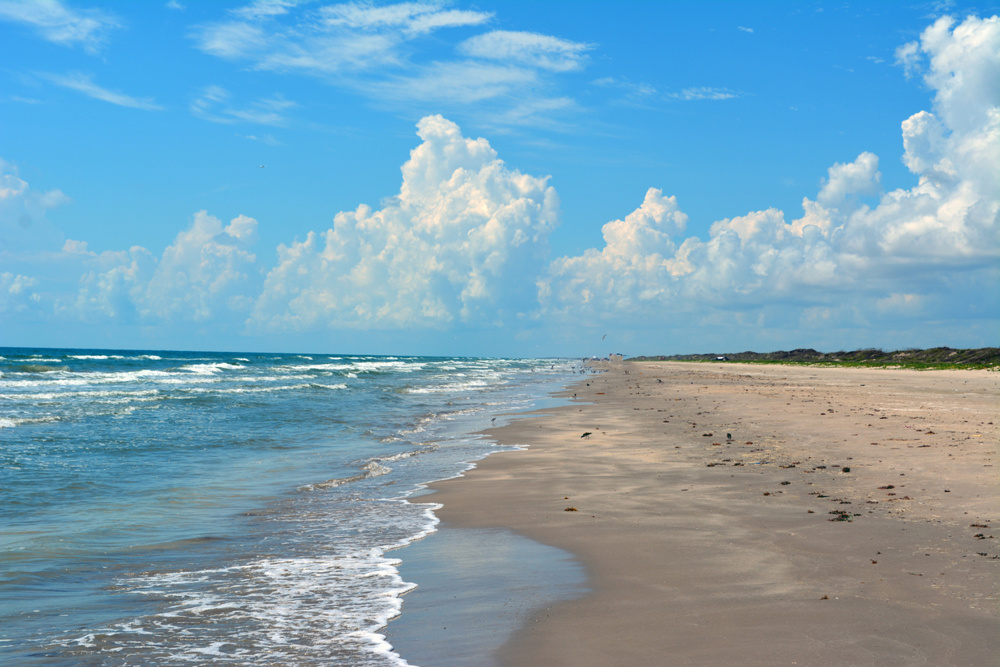
Padre Island National Seashore stretches approximately 66 miles, making it the longest undeveloped barrier island in the world. The park protects coastal habitats critical for wildlife, including nesting sea turtles and migratory birds.
Visitors can camp directly on the beach in designated areas, though conditions vary and four-wheel drive is recommended for remote sections. Activities include fishing, birdwatching, and beachcombing along miles of open shoreline.
Seasonal programs sometimes include sea turtle hatchling releases, highlighting the area’s conservation efforts and offering a unique experience for visitors.