Interesting Facts About Texas History Every Visitor Should Know
Texas history stretches back at least 13,500 years, long before Spanish colonizers founded San Antonio in 1718. The famous 1836 Battle of the Alamo ended after a 13-day siege, and Texas declared independence from Mexico on March 2, 1836. Texas then governed itself as the Republic of Texas for nearly nine years before joining the United States as the 28th state on December 29, 1845. By the time of annexation, at least 30,000 enslaved people lived in Texas.
Native Tribes Inhabited Texas for Thousands of Years Before Europeans
Indigenous peoples lived across Texas for millennia before Europeans arrived. Archaeological evidence shows Texas prehistory extending back at least 13,500 years, with Native communities adapting to changing environments, hunting large game in earlier periods, and later developing farming traditions in some regions. In East Texas, the Caddo became especially known for agriculture, trade, and ceramics, building permanent communities long before Spanish colonization.
Spanish Missions Founded San Antonio and Helped Shape Early Texas
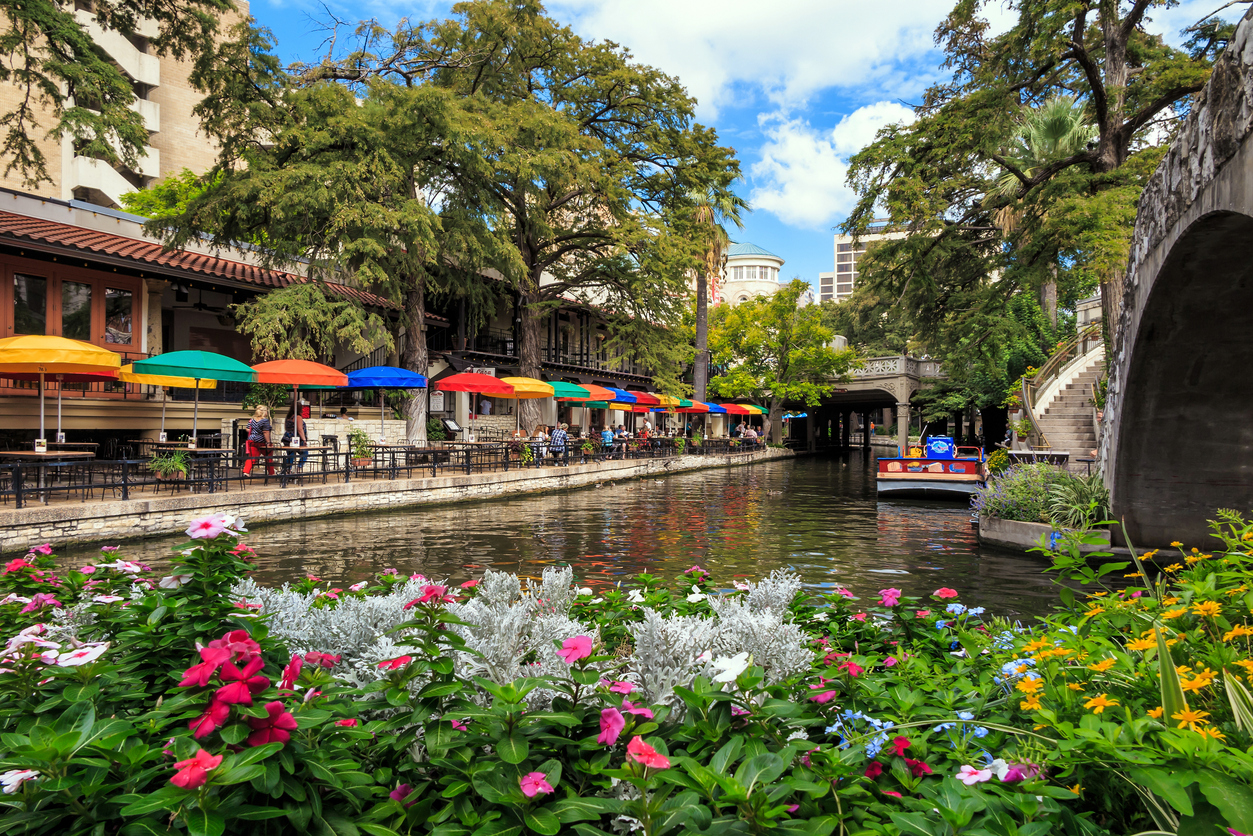
Spain’s missionary and military goals came together in 1718, when Mission San Antonio de Valero and the nearby Presidio San Antonio de Béxar were established. San Antonio grew into the most important Spanish settlement in Texas, and the mission system expanded across multiple regions of the province over the next century. The five missions along the San Antonio River became especially important as centers of religion, farming, defense, and colonial settlement.
The Alamo Fell After a 13-Day Siege in 1836
The siege of the Alamo began on February 23, 1836, and ended at dawn on March 6, the 13th day of the siege. Defenders including William Barret Travis, James Bowie, and David Crockett died in the final assault as Mexican forces under Antonio López de Santa Anna overran the mission. The fighting in the last attack lasted about 90 minutes, and afterward Santa Anna ordered the defenders’ remains burned. Women, children, and a small number of noncombatants were spared.
Texas Declared Independence on March 2, 1836
Texas declared independence at Washington-on-the-Brazos on March 2, 1836, when delegates at the Convention of 1836 approved the declaration. George C. Childress is generally accepted as the principal author of the document. The Republic of Texas was created during the convention, though international recognition was not immediate. The United States did not formally recognize Texas until March 1837.
Sam Houston Won the Revolution in 18 Minutes at San Jacinto
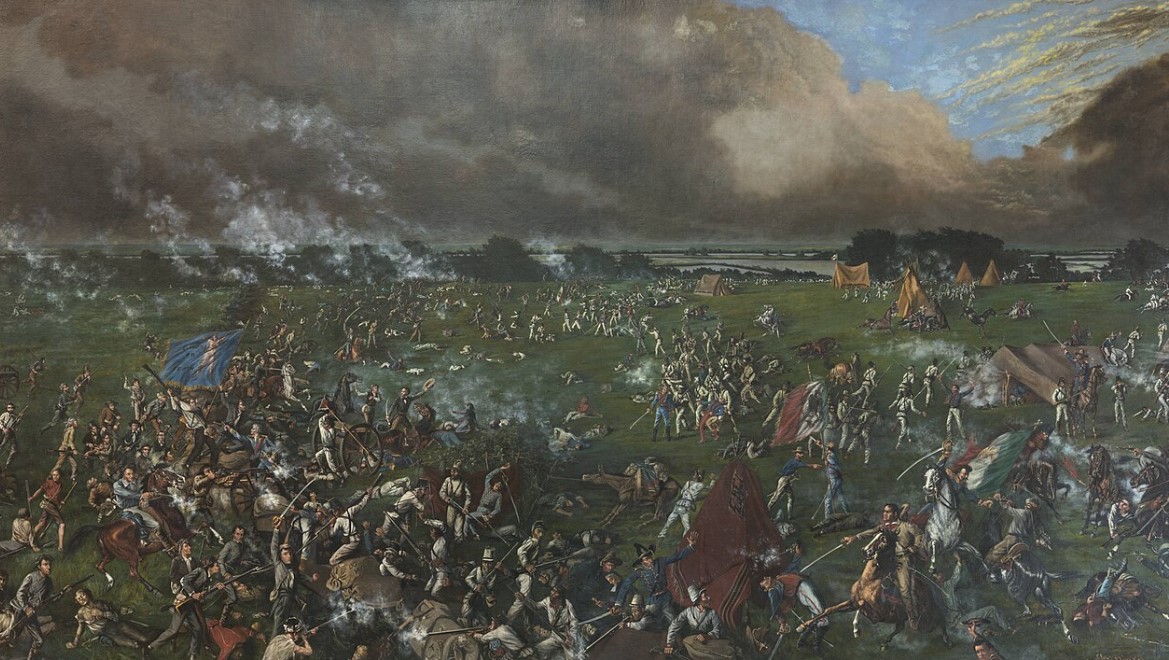
The decisive Battle of San Jacinto took place on April 21, 1836. Under Sam Houston, Texan forces attacked Santa Anna’s camp in the afternoon and overwhelmed the Mexican army in about 18 minutes. Santa Anna was captured the next day, and the victory effectively secured Texas independence. Contemporary Texas history sources describe the Texan force at roughly 910 men facing about 1,200 Mexican troops.
The Republic of Texas Governed Itself for Nine Years
Texas operated as an independent republic from 1836 to 1845. Its government was modeled in part on the U.S. system, but the republic faced immediate financial and administrative problems. When the First Texas Congress assembled in October 1836, leaders were already confronting a national debt of about $1.25 million and the challenge of building functioning institutions from scratch.
Mexico Disputed Texas Borders Until the 1846 War
Mexico never accepted the treaties signed by Santa Anna after San Jacinto as binding recognition of Texas independence. One of the biggest disputes involved the southern and western boundary: Texas and later the United States claimed the Rio Grande, while Mexico claimed the boundary was at the Nueces River. That disagreement intensified after annexation and helped trigger the Mexican-American War in 1846.
Texas Became the 28th State in 1845
Texas entered the Union on December 29, 1845, when the U.S. accepted the state constitution and admission resolution. The formal transfer from republic to state government took place on February 19, 1846. Annexation had been politically controversial in part because slavery was already deeply embedded in Texas; by the end of 1845, at least 30,000 enslaved people lived in the state. Later, the Compromise of 1850 settled Texas boundary disputes with the federal government and provided $10 million in exchange for relinquishing claims to a large western area.
The Battle of Plum Creek Was a Major Comanche Defeat, but Not the End of Comanche Power
The Battle of Plum Creek took place on August 12, 1840, after the Council House Fight and the retaliatory Linnville Raid led by Buffalo Hump. Texan forces defeated part of the Comanche raiding party near present-day Lockhart. It was an important clash in frontier Texas, but it did not end Comanche power or resistance. Buffalo Hump and other Comanche leaders continued to negotiate, raid, and resist encroachment in the years that followed.
Juneteenth Began in Galveston and Became a National Holiday
One of the most important moments in Texas history took place on June 19, 1865, when Union General Gordon Granger arrived in Galveston and issued General Order No. 3, announcing that enslaved people in Texas were free—more than two years after the Emancipation Proclamation.
This moment became known as Juneteenth, a holiday that originated in Texas and is now recognized nationwide. Early celebrations began in Galveston and spread across the state, often centered around church gatherings, food traditions, and community events.
Today, visitors can explore Juneteenth’s origins at sites like Galveston’s Ashton Villa, where the order was read, and through annual celebrations held across Texas that continue to honor this turning point in American history.
The Spindletop Oil Boom Changed Texas Forever
Texas entered a new era in 1901 with the discovery of oil at Spindletop Hill near Beaumont. The gusher produced an unprecedented flow of oil, launching the modern petroleum industry in Texas and transforming the state into a global energy leader.
This boom fueled rapid urban growth, especially in cities like Houston, which developed into a major hub for oil companies, shipping, and international trade. The economic impact reshaped Texas from a largely agricultural region into an industrial powerhouse.
Visitors today can learn about this transformation at the Spindletop-Gladys City Boomtown Museum in Beaumont, where recreated buildings and exhibits bring the early oil era to life.
How Diverse Communities Shaped Texas Culture
Texas culture reflects centuries of influence from Native American, Spanish, Mexican, German, Czech, and African American communities, each contributing traditions that still shape daily life across the state.
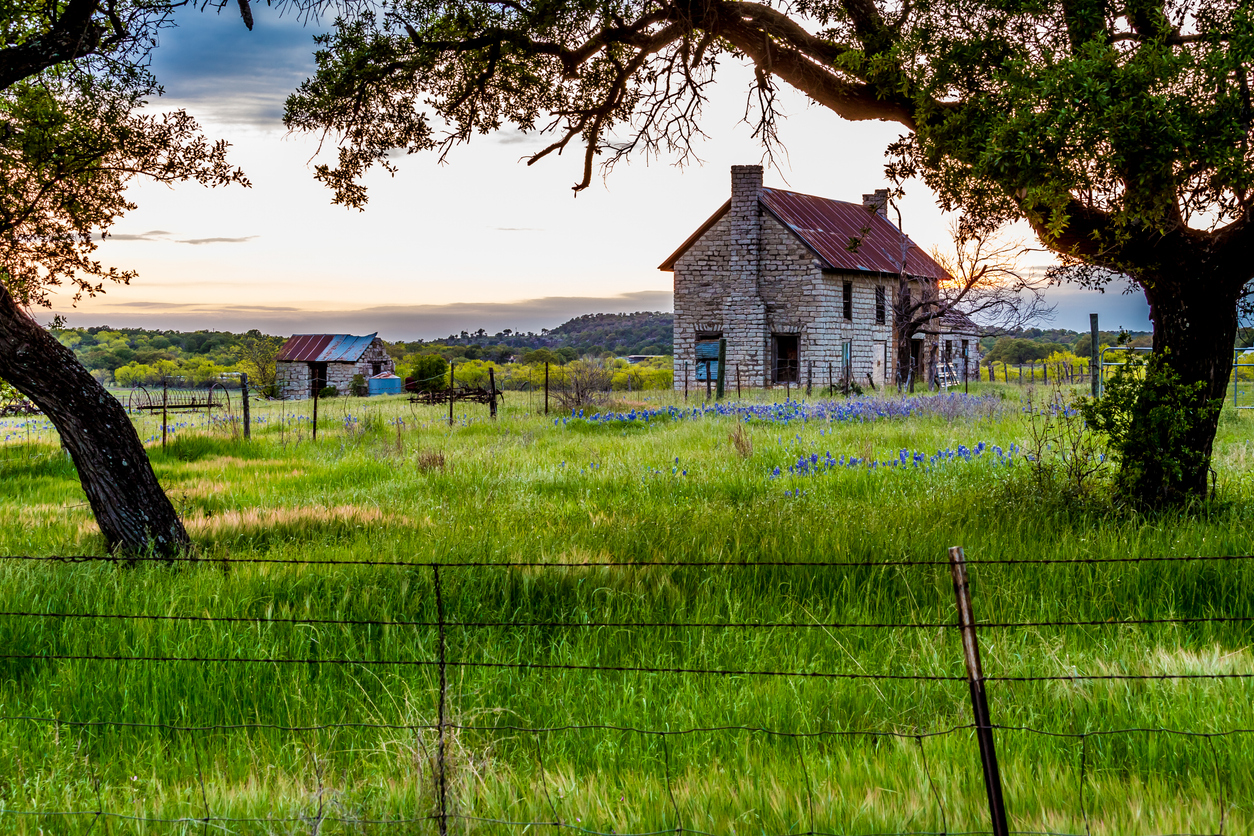
Indigenous groups established early trade routes, farming systems, and foodways. Spanish colonization introduced ranching, missions, and Catholic traditions, while Mexican heritage continues to define language, cuisine, and regional identity—especially in South Texas.
German and Czech immigrants brought farming practices, architecture, and foods like sausages and kolaches to Central Texas. African American communities contributed deeply to music, barbecue traditions, and cultural celebrations such as Juneteenth.
Together, these influences created a uniquely diverse cultural landscape that visitors can still experience through Texas’s food, festivals, architecture, and local traditions.
Related posts