
Why the DFW Metroplex Is One of America’s Most Visited Regions
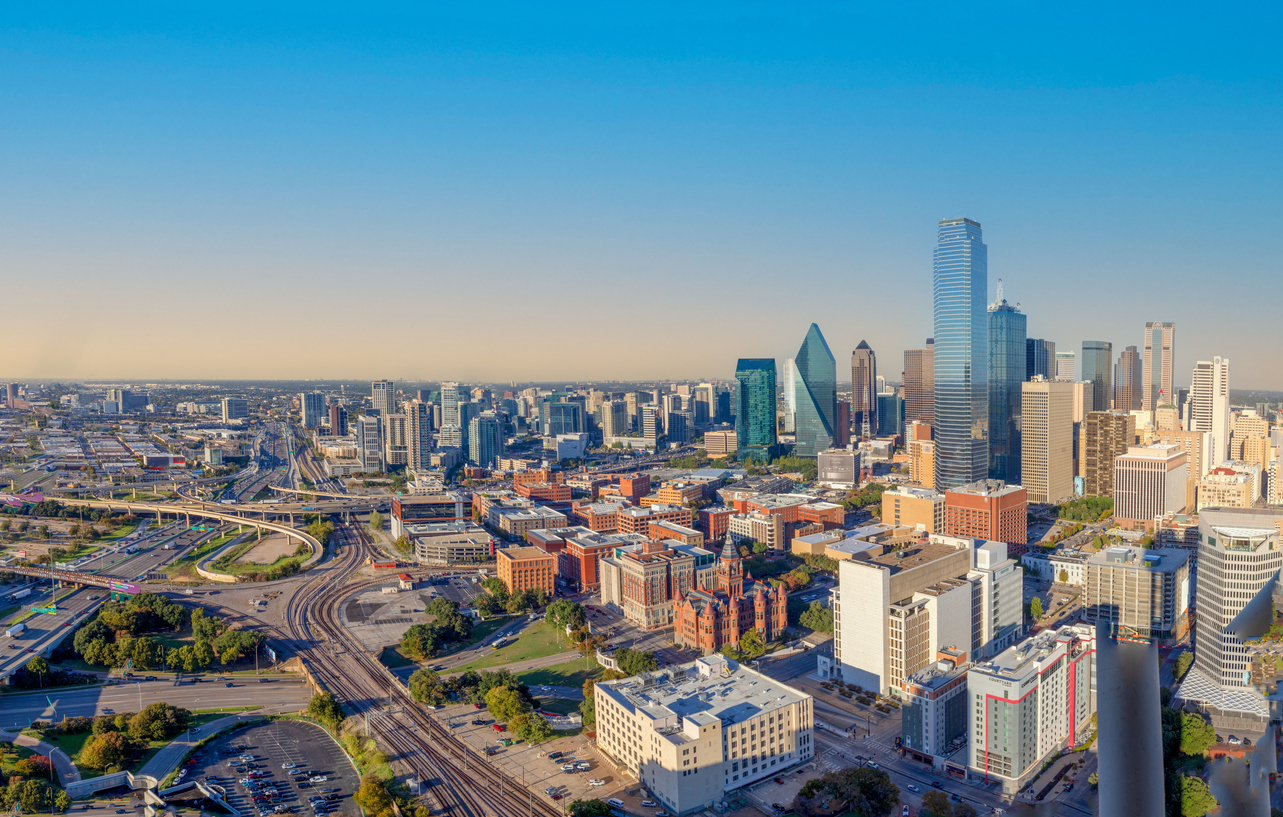
The Dallas–Fort Worth Metroplex earns its place among the country’s most visited regions because it combines exceptional air connectivity, major visitor attractions, strong convention business, and a broad mix of arts, sports, and family entertainment. Dallas alone welcomed more than 27.7 million visitors in 2024, generating $10.9 billion in economic impact, supporting over 60,000 local jobs, and contributing $649 million in state and local tax revenues.
The region is also unusually easy to reach. DFW Airport handled nearly 87 million passengers in fiscal 2024, and the airport says it now offers 193 domestic and 79 international nonstop destinations, giving North Texas one of the strongest route networks in the country.
Add in Love Field, Arlington’s fast-growing entertainment district, Fort Worth’s cultural and convention investments, and upcoming attractions like Universal Kids Resort in Frisco and the FIFA World Cup 2026, and DFW has a compelling mix of accessibility and things to do.
Why DFW Is Easier to Reach Than Most Major U.S. Destinations
One of DFW’s biggest advantages is how easy it is to reach from almost anywhere. DFW Airport is among the nation’s largest hubs, with more than 260 destinations overall and official airport figures listing 193 domestic and 79 international nonstop destinations. That makes the region especially convenient for both domestic and international travelers, whether they are flying in for business, conventions, sports, or leisure.
The airport’s size is matched by its passenger volume. DFW reported nearly 87 million passengers in fiscal 2024, a record for the airport and a major reason the Metroplex remains one of the country’s most accessible travel markets.
The region also benefits from Dallas Love Field, which adds another major commercial airport close to downtown Dallas and strengthens North Texas’s overall travel capacity.
DFW and Love Field Help Power the Region’s Visitor Economy
The Metroplex’s two major airports help support a visitor economy that is both large and resilient. DFW remains one of the busiest airports in the world, while Love Field continues to serve a major share of domestic traffic in a more compact, city-centered setting.
Recent reporting has shown some year-over-year passenger softness in 2025 at both DFW and Love Field, but that does not change the region’s long-term status as one of the country’s strongest air travel markets. What matters for travelers is that DFW still offers one of the deepest nonstop networks in the U.S., and the two-airport system makes the region especially flexible for both vacation and business trips.
Dallas Tourism Is Reaching New Highs
Dallas’s tourism numbers help explain why the Metroplex draws so much attention. Visit Dallas reported that in 2024, the city welcomed more than 27.7 million visitors, generated $10.9 billion in economic impact, supported over 60,000 local jobs, and produced $649 million in state and local tax revenue.
That scale of visitation supports hotels, restaurants, museums, event venues, and local transportation across the city. It also reinforces Dallas as both a leisure and convention destination, not just a business center.
Future bookings point in the same direction: Visit Dallas has already booked 59 definite conventions after the convention center expansion, representing $1.56 billion in future economic impact for 2029 and beyond.
Arts Districts, Historic Landmarks, and World-Class Museums
DFW’s cultural strength is a major part of its appeal. The Dallas Arts District is widely promoted as the largest urban arts district in the United States, anchored by institutions such as the Dallas Museum of Art, the Nasher Sculpture Center, and the AT&T Performing Arts Center. The DMA itself describes the district that way, and the museum remains one of the area’s biggest cultural draws.
Fort Worth adds another major cultural dimension through its Cultural District, where visitors can explore the Kimbell Art Museum, the Modern Art Museum of Fort Worth, and the Amon Carter Museum of American Art within a compact area. The Modern and Kimbell are especially well known for their architecture as well as their collections.
Together, Dallas and Fort Worth give the Metroplex a cultural range that goes far beyond business travel.
Year-Round Events Keep DFW on Travelers’ Calendars
DFW is not just easy to reach. It also stays active all year with major events, sports, fairs, and conventions. Dallas continues to grow its convention pipeline, while Arlington has emerged as one of the region’s biggest entertainment magnets. Arlington’s Entertainment District drew 15.6 million visitors in 2023, who generated $2.8 billion in spending, according to data cited by Dallas Innovates.
That district includes AT&T Stadium, Globe Life Field, Texas Live!, and Live! by Loews, giving visitors a concentrated entertainment zone that works for sports trips, concerts, and family travel.
Across the broader Metroplex, recurring draws such as the State Fair of Texas, pro sports, concerts, and museum programming help sustain steady visitation throughout the year.
FIFA World Cup 2026 and Universal Kids Resort Are Shaping the Next Chapter
DFW’s next phase of tourism growth is already taking shape. Arlington is set to be one of the region’s biggest international draws during the FIFA World Cup 2026, adding to the area’s profile as a sports and entertainment destination.
Frisco is also preparing for a major new family attraction. Reporting from D Magazine says Universal Kids Resort is a $550 million, 97-acre development that is moving toward a 2026 opening, while Universal has confirmed the resort will include seven themed lands designed for families with young children. That gives North Texas another major reason for family travelers to add the region to future trip plans.
Fort Worth’s Convention Center Expansion Signals Long-Term Growth
Fort Worth is investing heavily in its own visitor economy. The city’s convention center project has already completed a $95 million first phase, and officials unveiled plans for a $606 million second phase that will replace the old arena with a new convention structure and ballroom. The second phase is expected to extend into early 2030.
That investment matters because it strengthens Fort Worth’s ability to attract more conventions, larger events, and more overnight visitors in the years ahead. It also complements the city’s museum district, Stockyards, and downtown redevelopment, helping the Fort Worth side of the Metroplex compete for a larger share of regional and national travel demand.
Hotel Growth Reflects Confidence in DFW Travel Demand
The hospitality pipeline also supports the case for DFW as a major visitor region. Industry reporting notes that DFW has one of the largest hotel development pipelines in the country, with strong ongoing interest in upscale and luxury product, especially in areas like Frisco, Las Colinas, Uptown, and downtown Dallas.
That pipeline is not just speculative. It reflects continued growth in leisure travel, conventions, sports tourism, and corporate relocations. New rooms, new mixed-use projects, and proposed major hotel developments near the Dallas convention center all point to long-term confidence in visitor demand across the Metroplex.
Premium Amenities at More Accessible Price Points
Another advantage DFW has over many coastal destinations is value. The region offers major museums, large sports venues, luxury hotels, shopping, and dining without the same overall price pressures travelers often face in places like New York or Los Angeles. That relative affordability is one reason DFW works well for both leisure and business trips.
The appeal is especially strong because the region combines upscale amenities with a broad mix of neighborhoods and price points. Whether visitors stay in downtown Dallas, Fort Worth’s cultural core, Arlington’s entertainment district, or one of the Metroplex’s growing suburban centers, they can access a high level of infrastructure and attractions without needing a top-tier luxury budget.