Why San Antonio’s History Continues to Draw Travelers
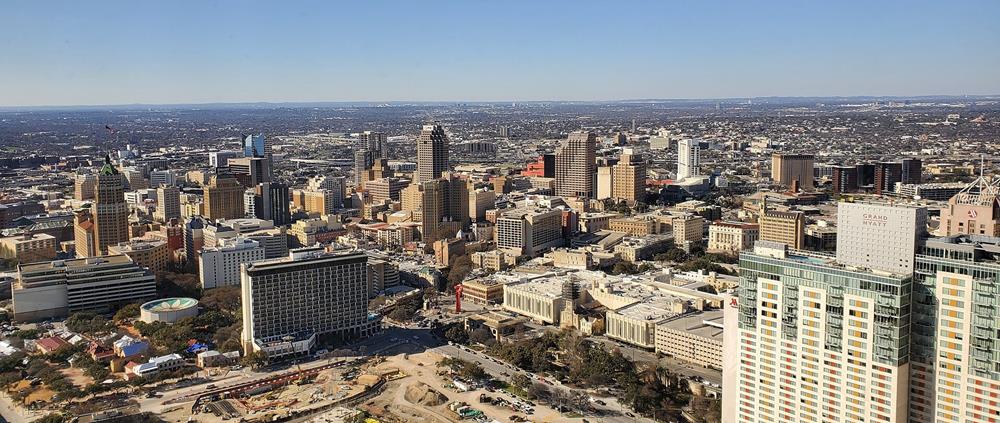
You'll find San Antonio’s history especially compelling because it transforms more than 300 years of Spanish missions, pivotal battles, and cultural convergence into places you can walk through and experience firsthand.
The Alamo and four additional UNESCO World Heritage missions showcase preserved colonial architecture, while the River Walk reflects how early 20th-century planning reshaped a flood-prone river into one of the most recognizable urban landmarks in the United States.
Historic neighborhoods blend Texan, Mexican, Spanish, and German influences through preserved Victorian homes, 18th-century stone structures, and vibrant arts districts that continue to shape the city’s identity today.
The Alamo and the Mission Trail That Shaped Texas History
The weathered limestone walls of The Alamo stand as Texas’s most recognized historic site, drawing more than 2 million visitors annually. Originally founded in 1718 as Mission San Antonio de Valero, the compound served as a Spanish mission before evolving into a fortified structure.
The 13-day Battle of the Alamo in 1836 became a defining moment in Texas history, as defenders including James Bowie and Davy Crockett held off Mexican forces led by General Antonio López de Santa Anna. While the battle ended in defeat, it helped galvanize support for Texas independence.
Today, visitors can explore the chapel, Long Barrack Museum, and surrounding plaza, with exhibits that provide deeper context beyond the battlefield story. While the Alamo is historically connected to the mission system, it operates independently from the national park-managed sites.
San Antonio's Five UNESCO World Heritage Missions You Can Visit
Stretching along the San Antonio River, the San Antonio Missions form a 7.7-mile corridor recognized as a UNESCO World Heritage Site in 2015—the only such site in Texas.
The missions you can visit include:
- Mission Concepción – the oldest unrestored stone church in the U.S.
- Mission San José – known for its intricate Rose Window
- Mission San Juan Capistrano – surrounded by agricultural lands
- Mission Espada – the southernmost and oldest continuously operating parish
- The Alamo (Mission Valero) – located separately in downtown
These missions were established between the early 1700s and served as religious, agricultural, and community centers for Indigenous populations under Spanish colonial rule. Today, they are connected by the Mission Trail, making them accessible by bike, car, or guided tours.
Spanish Colonial Architecture That Has Stood for Centuries
San Antonio’s missions offer one of the most complete collections of Spanish Colonial architecture in North America. Thick limestone walls, small windows, and enclosed courtyards were designed for both climate control and defense.
Mission Concepción still retains portions of its original frescoes, while Mission San José displays detailed stone carvings reflecting Baroque influence. These structures demonstrate how early builders combined European design with local materials and Indigenous labor.
Preservation efforts have carefully maintained these buildings while allowing visitors to experience their original layout and purpose.
San Antonio's River Walk: From Flood Control to Iconic Destination
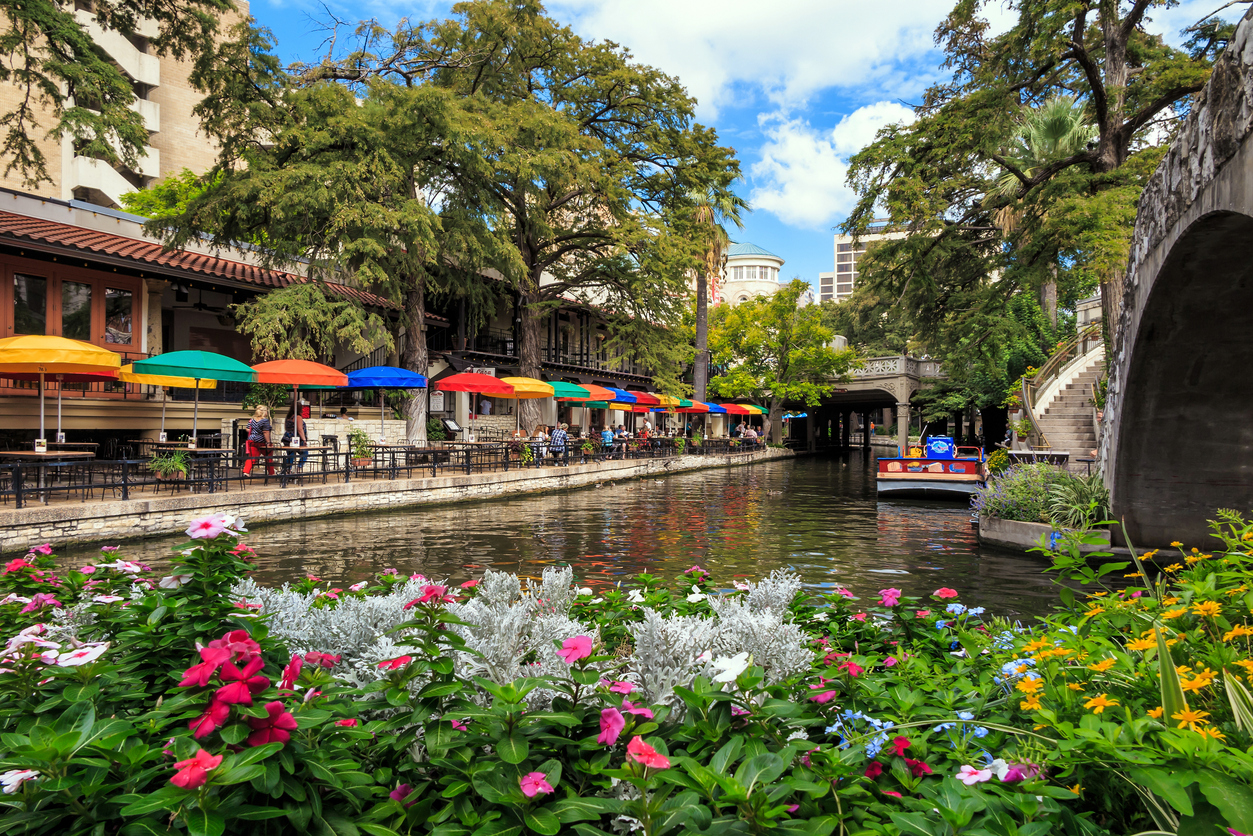
San Antonio’s River Walk is more than a scenic attraction—it’s a product of flood control innovation and urban planning. After devastating floods in the early 20th century, the city constructed Olmos Dam (1927) and a bypass channel to redirect excess water.
Architect Robert H.H. Hugman proposed transforming the river into a pedestrian-friendly space rather than a drainage system. His vision led to the construction of walkways, bridges, and public spaces beginning in the late 1930s, supported by Works Progress Administration (WPA) funding.
Today, the River Walk includes expanded sections like Museum Reach and Mission Reach, connecting cultural sites, parks, and neighborhoods while preserving the river’s historic significance.
Historic Plazas, Hotels, and River Walk Traditions
San Antonio’s historic lifestyle extends beyond missions and landmarks into its public plazas, historic hotels, and daily traditions along the River Walk.
Main Plaza (Plaza de las Islas Canarias) and Military Plaza, established in the 18th century, remain central gathering places where civic life has unfolded for nearly 300 years. Just steps away, the Spanish Governor’s Palace (1749) offers a preserved look at colonial leadership and architecture.
Historic hotels also play a role in the city’s cultural continuity. The Menger Hotel (opened 1859), located beside the Alamo, is one of the oldest continuously operating hotels west of the Mississippi and has hosted figures ranging from Theodore Roosevelt to military leaders. Nearby, the St. Anthony Hotel (1909) reflects early 20th-century luxury and urban development in downtown San Antonio.
Along the River Walk, traditions continue through boat tours, riverside dining, and seasonal decorations like holiday lights and Fiesta events, blending history with everyday life. These experiences highlight how San Antonio’s past remains active rather than preserved behind glass.
Historic Neighborhoods Where Cultures Converge
San Antonio’s neighborhoods offer a deeper look at how history shapes daily life.
- King William Historic District features 19th-century homes built by German merchants
- La Villita Historic Arts Village includes restored buildings from the 18th and 19th centuries, now housing artisan shops
- The Pearl District repurposes a former brewery into a hub for dining, retail, and community events
- Southtown and Blue Star Arts Complex showcase contemporary art within historic surroundings
These areas reflect the blending of Spanish, Mexican, German, and American influences, creating a layered cultural experience beyond traditional landmarks.
San Antonio Festivals and Living History Experiences
San Antonio’s history comes to life through events and celebrations held throughout the year.
- Fiesta San Antonio (April) celebrates the city’s diverse heritage with parades, food, and cultural events
- Día de los Muertos (October–November) honors Mexican traditions with altars, art, and community gatherings
- Juneteenth celebrations highlight African American history and culture
- Alamo remembrance events (February–March) commemorate the 1836 battle
While large-scale reenactments like the Battle of San Jacinto take place near Houston, San Antonio focuses more on cultural festivals, educational programs, and heritage events tied to its own history.
Museums That Bring San Antonio’s History to Life
San Antonio’s museums provide deeper insight into the people and events that shaped the city.
The Witte Museum focuses on Texas history, natural science, and regional culture, offering exhibits on early settlers, Indigenous communities, and environmental development.
The San Antonio Museum of Art, housed in a historic brewery complex along the River Walk’s Museum Reach, features collections spanning ancient Mediterranean, Latin American, and Asian art, connecting global history to the city’s cultural identity.
For a more focused historical perspective, the Briscoe Western Art Museum explores the American West through artifacts, paintings, and storytelling that reflect Texas’s frontier heritage.
These institutions complement outdoor landmarks by providing context, interpretation, and preserved artifacts that deepen the visitor experience.
What to Prioritize When Visiting San Antonio
With so many historic sites, focusing on your interests can help you make the most of your visit.
- Architecture: Visit the missions, Spanish Governor’s Palace, and King William District for the widest range of preserved styles
- History: Start with The Alamo and Mission Trail, then add museums for deeper context
- Walking Experiences: Explore the River Walk, Main Plaza, and La Villita for easy, scenic routes
- Cultural Immersion: Spend time in Southtown, Pearl, and local markets where history blends with modern creativity
- Family-Friendly Learning: Combine missions, museums, and river tours for a balanced and engaging itinerary
Prioritizing by interest ensures you experience San Antonio not just as a collection of sites, but as a living historic city shaped by multiple cultures over centuries.